De mi viaje, recuerdos extraídos del día de muertos

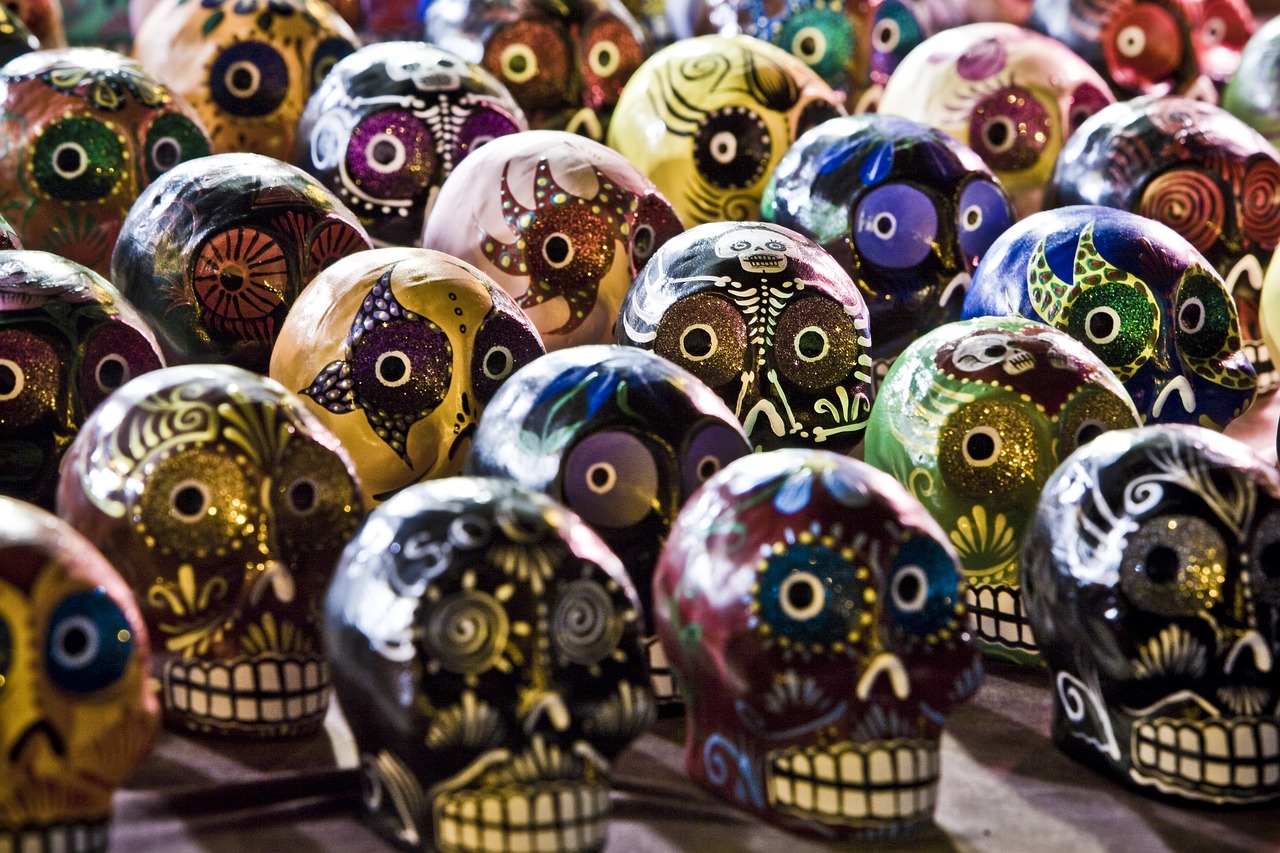
No es un viaje de terror, porque hablemos de los muertos, es un viaje de aprendizaje en la ciudad de Madrid con una exposición Mexicana en honor a los difuntos.
Mis hijos me llevaron por muchos paseos y actividades por la capital de España, rica en cultura variada, llena de estilos y muchos visitantes.
En el mes de octubre del 2021, hicieron una cita vía internet a una exposición de artistas de México. Debido a la pandemia muchos eventos se evitaban las aglomeraciones grandes, se entraba en pequeños grupos, con normas de protección y tapabocas, se realizaba el recorrido y luego salían del local.
La cultura por la muerte es muy importante para los Mexicanos, en esta exposición se resaltan costumbres, detalles artísticos y alimentos en la celebración del día de los muertos.
Altares bellamente decorados, están presentes las fotografías de los difuntos de cada hogar, alimentos preferidos de los fallecidos, animales de la mitología mexicana y flores típicas de la región.
It is not a horror trip, because let's talk about the dead, it is a learning trip in the city of Madrid with a Mexican exhibition in honor of the deceased.
My children took me on many walks and activities in the capital of Spain, rich in varied culture, full of styles and many visitors.
In the month of October 2021, they made an appointment via the internet to an exhibition of artists from Mexico. Due to the pandemic, many events avoided large crowds, they entered in small groups, with protection regulations and masks, the tour was carried out and then they left the premises.
The culture of death is very important for Mexicans, in this exhibition customs, artistic details and food are highlighted in the celebration of the day of the dead.
Beautifully decorated altars, photographs of the deceased from each home, favorite foods of the deceased, animals from Mexican mythology and typical flowers of the region are present.
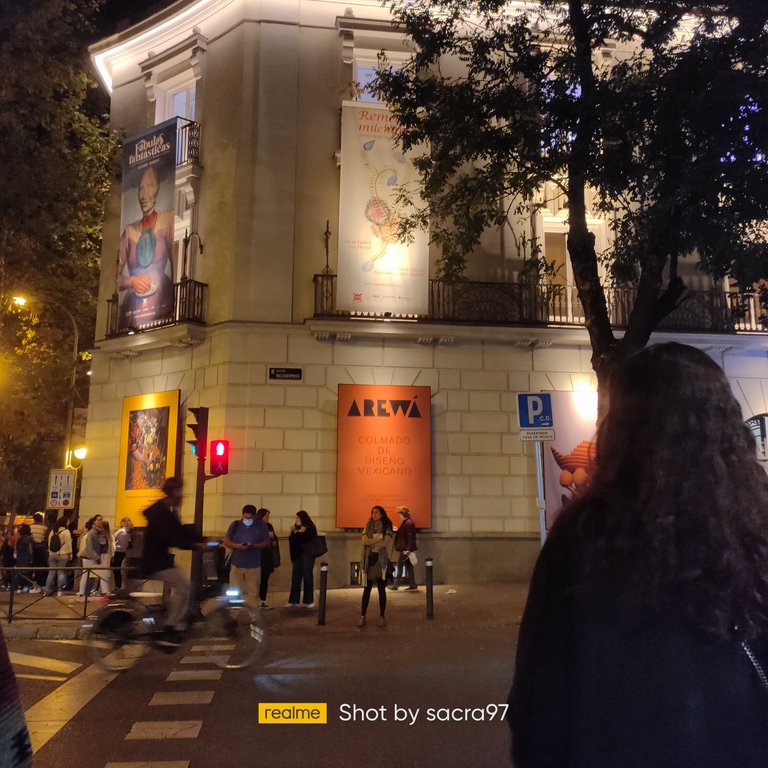
El local fue en Areva, Madrid; calle Orense 34 1 PL Edificio IBERIA. En la exposición donde recorrimos varias salas y una joven guía nos daba una charla sobre los elementos que íbamos observando. Pasamos en grupos pequeños por cada sala.
The place was in Areva, Madrid; Calle Orense 34 1 PL IBERIA Building. In the exhibition where we toured several rooms and a young guide gave us a talk about the elements that we were observing. We went in small groups through each room.
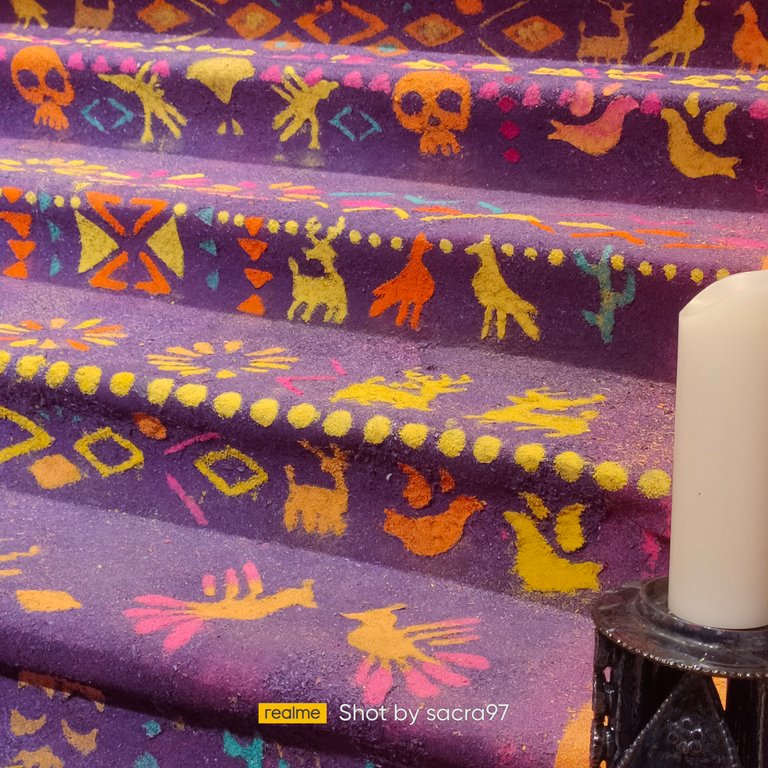
Vimos varios altares hermosamente decorados, una alfombra hecha con aserrín me llamo mucho la atención. Tenía muchos colores, con símbolos de animales, plantas y por supuesto calaveras.
Las calaveras siempre están presentes en los temas mexicanos como elemento decorativo, maquillaje y sus famosas catrinas.
We saw several beautifully decorated altars, a carpet made with sawdust caught my attention. It had many colors, with symbols of animals, plants and of course skulls.
Skulls are always present in Mexican themes as a decorative element, makeup and its famous catrinas.
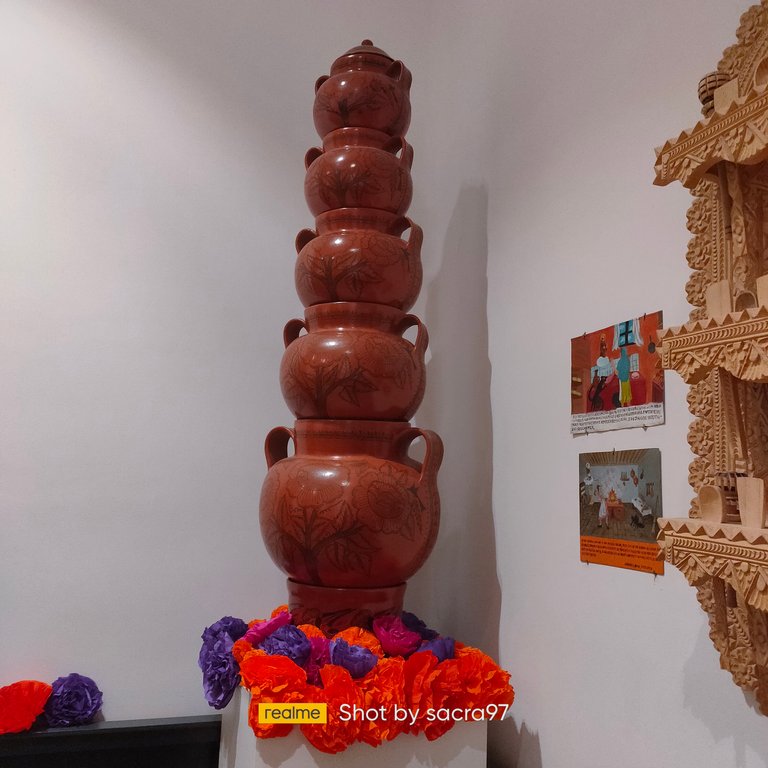
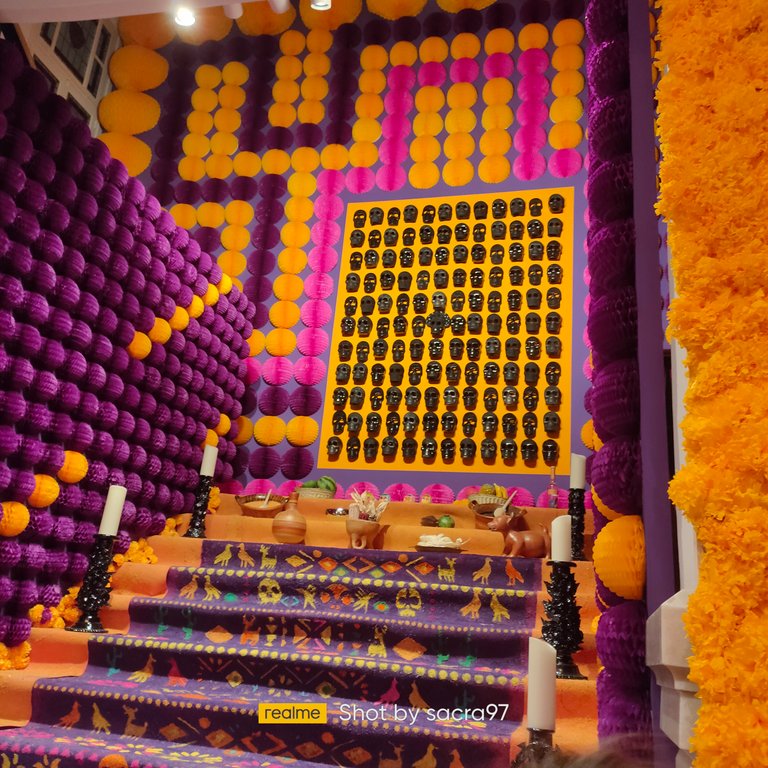
Altares hermosamente decorados, con detalles muy especiales según las costumbres mexicanas, fotografías de los muertos de cada hogar, los alimentos como comidas y frutas preferidos de los difuntos, animales de la mitología mexicana y flores típicas de la región.
Beautifully decorated altars, with very special details according to Mexican customs, photographs of the dead from each home, food such as favorite foods and fruits of the deceased, animals from Mexican mythology and typical flowers of the region.
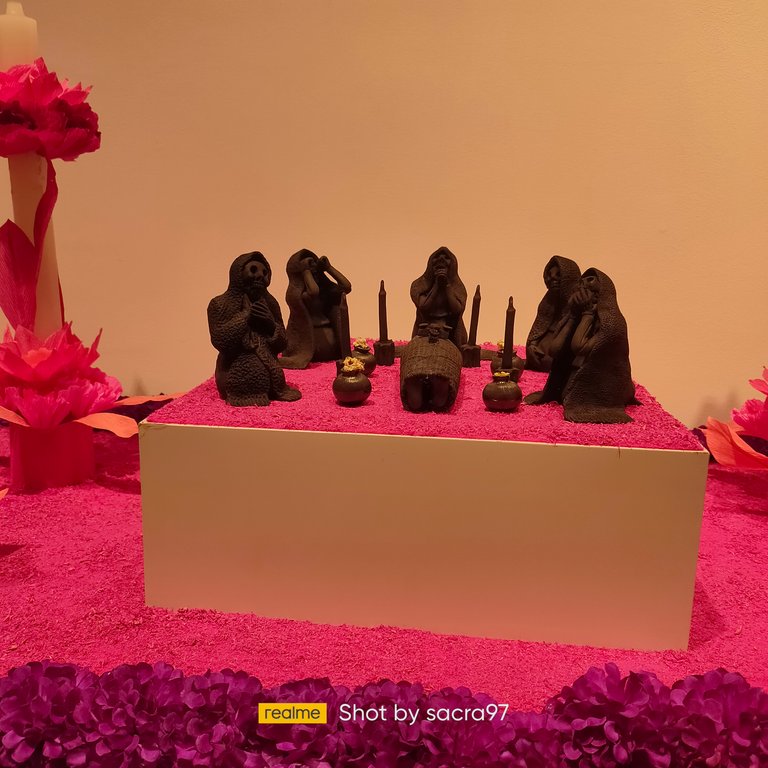
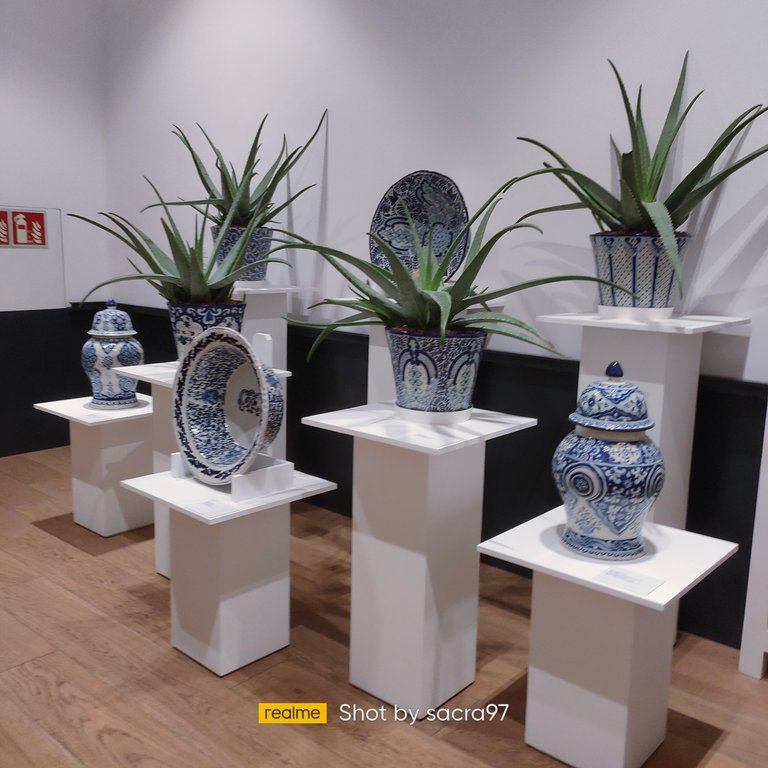
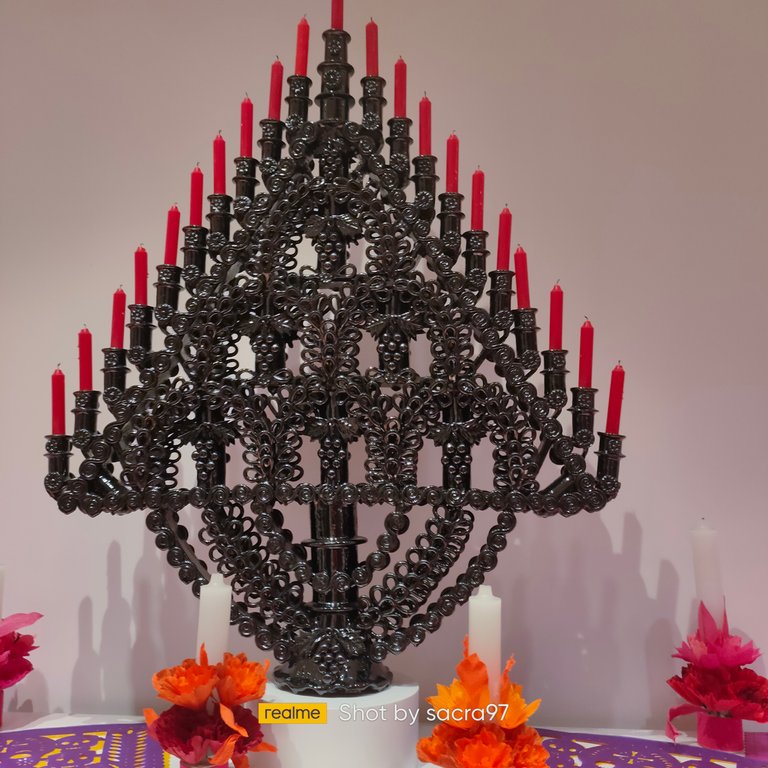
Cerámica decorada y artesanal típica de cada región mexicana. Plantas como la sábila presente en los hogares.
Decorated and handmade ceramics typical of each Mexican region. Plants like aloe vera present in homes.
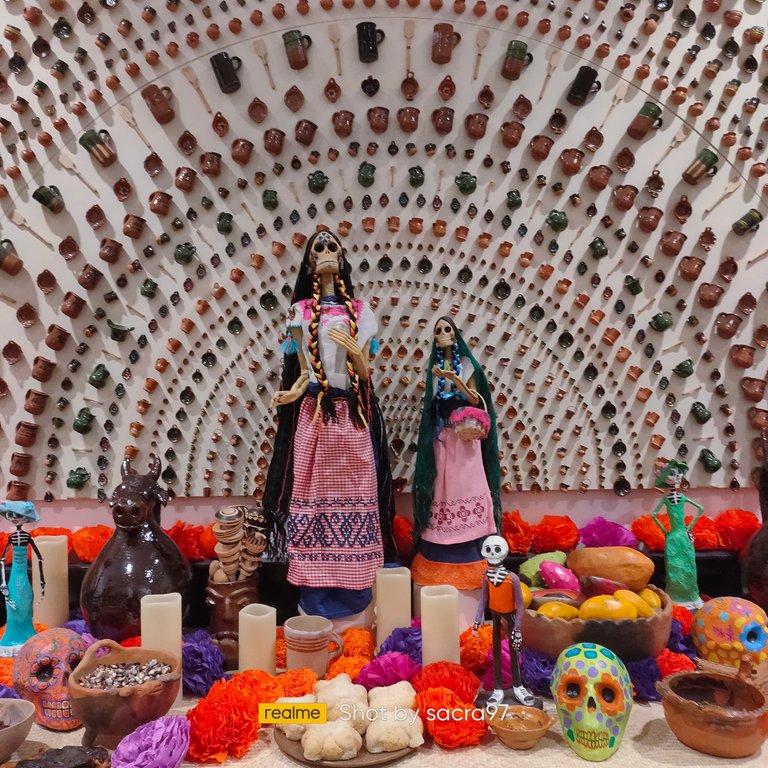
Las famosas catrinas que según cuenta la leyenda, son origen de la diosa de la muerte.
La catrina originalmente fue llamada La Calavera Garbancera, es una figura creada por José Guadalupe Posada y bautizada por Diego Rivera con ese nombre.
The famous catrinas that according to legend, are the origin of the goddess of death.
The catrina was originally called La Calavera Garbancera, it is a figure created by José Guadalupe Posada and baptized by Diego Rivera with that name.
La flor de muerto o cempasúchil, es una de las señales de que está llegando la festividad del Día de Muertos. Esta presente en el altar adornando con su gran belleza y color.
The flower of the dead or cempasúchil, is one of the signs that the Day of the Dead festival is coming. It is present on the altar adorning with its great beauty and color.
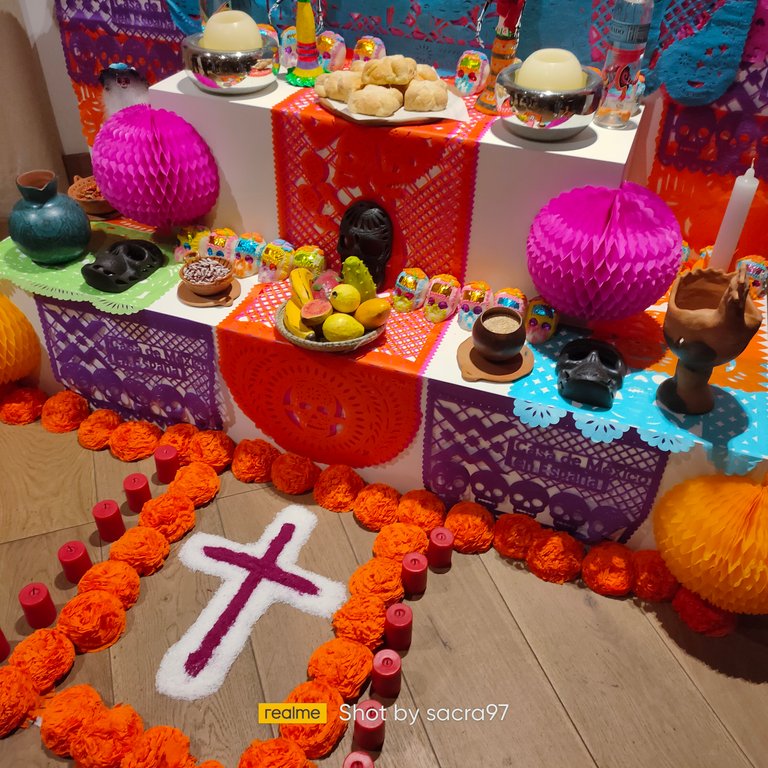
La flor de cempasúchil esta siempre presente en esta época en la decoración de los altares.
En el se colocan los alimentos que más le gustaban a sus difuntos y luego de la celebración podían ser comidos por los integrantes de la familia.
La flor cempasúchil, también tiene otros usos como repelente de insectos. Es altamente tóxica para los perros.
The cempasúchil flower is always present at this time in the decoration of the altars.
In it, the foods that their deceased liked the most are placed and after the celebration they could be eaten by the members of the family.
The cempasúchil flower also has other uses as an insect repellent. It is highly toxic to dogs.
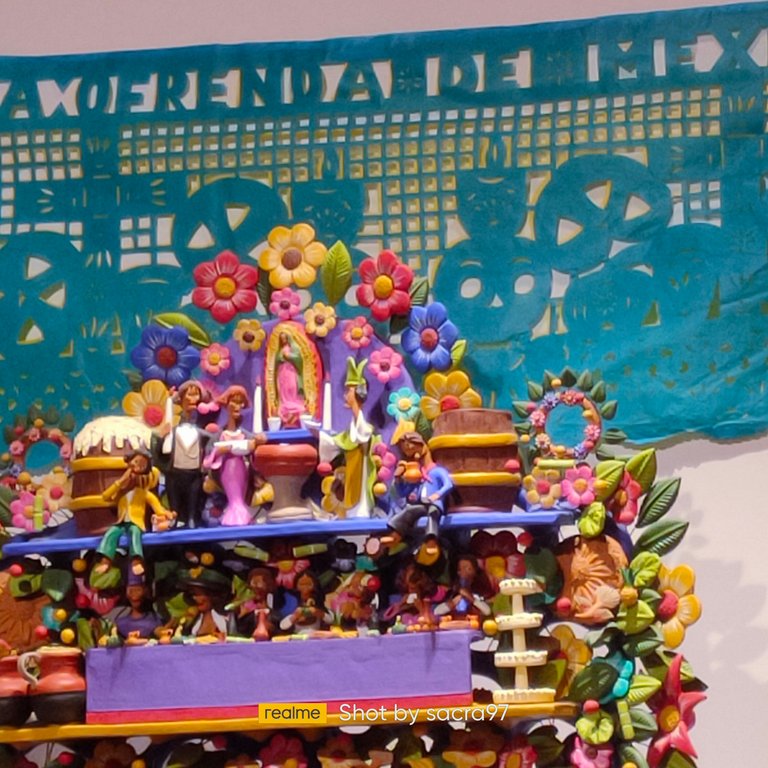
La historia del pan de muerto, que colocan en el altar, tiene su origen en la época de la Conquista. Los españoles espantados por los sacrificios humanos en las ceremonias religiosas de la población indígena, elaboraron un pan de trigo bañado en azúcar pintada de rojo que simbolizaba un corazón y la sangre del sacrificado.
The history of the pan de muerto, which is placed on the altar, has its origins in the time of the Conquest. The Spaniards, frightened by the human sacrifices in the religious ceremonies of the indigenous population, made a wheat bread dipped in red painted sugar that symbolized a heart and the blood of the sacrificed.
El Xoloitzcuintle, es el perro que acompaña a las almas a cruzar el inframundo o hacia el Mictlán. Estas figuras tienen una hermosa belleza, casi estilizados en estas estatuas.
Los difuntos no hacían este recorrido solos, el alma de su perro les guiaba a través del más allá para poder cruzar el gran río de la muerte. Eran sus acompañantes más fieles.
The Xoloitzcuintle is the dog that accompanies souls to cross the underworld or to Mictlán. These figures have a beautiful beauty, almost stylized in these statues.
The deceased did not make this journey alone, the soul of their dog guided them through the afterlife to be able to cross the great river of death. They were his most faithful companions.
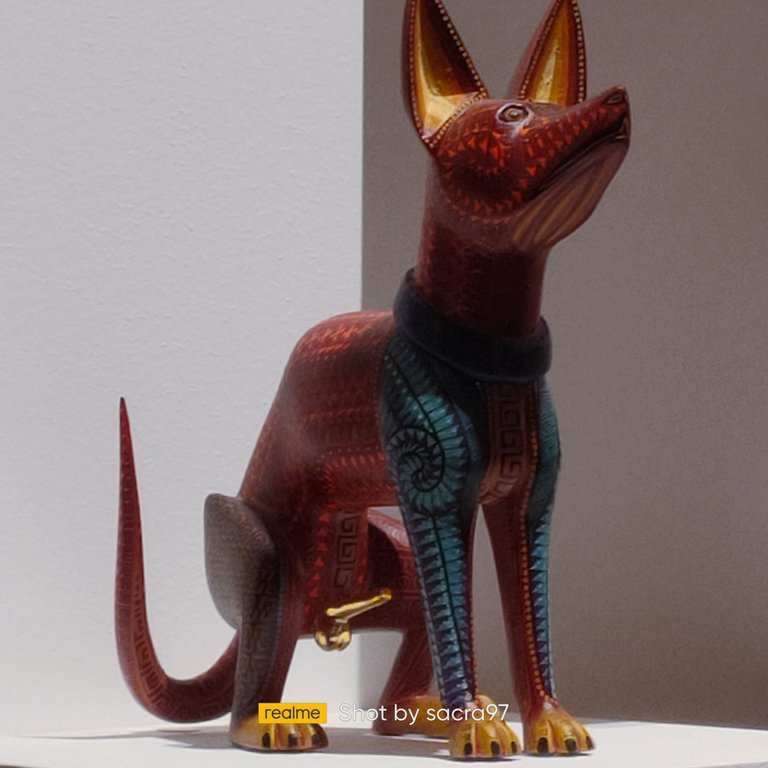
Los pueblos prehispánicos, especialmente para los mexicas, creían que cuando una persona moría, las almas tenían que atravesar un largo camino por el inframundo para poder llegar al Mictlán que es el mundo de los muertos. Ellos no irían solos serian acompañados por esta raza de perro de mucha antigüedad y simbología para los mexicanos.
The pre-Hispanic peoples, especially the Mexicas, believed that when a person died, the souls had to go through a long journey through the underworld to reach Mictlán, which is the world of the dead. They would not go alone, they would be accompanied by this breed of dog of great antiquity and symbology for Mexicans.
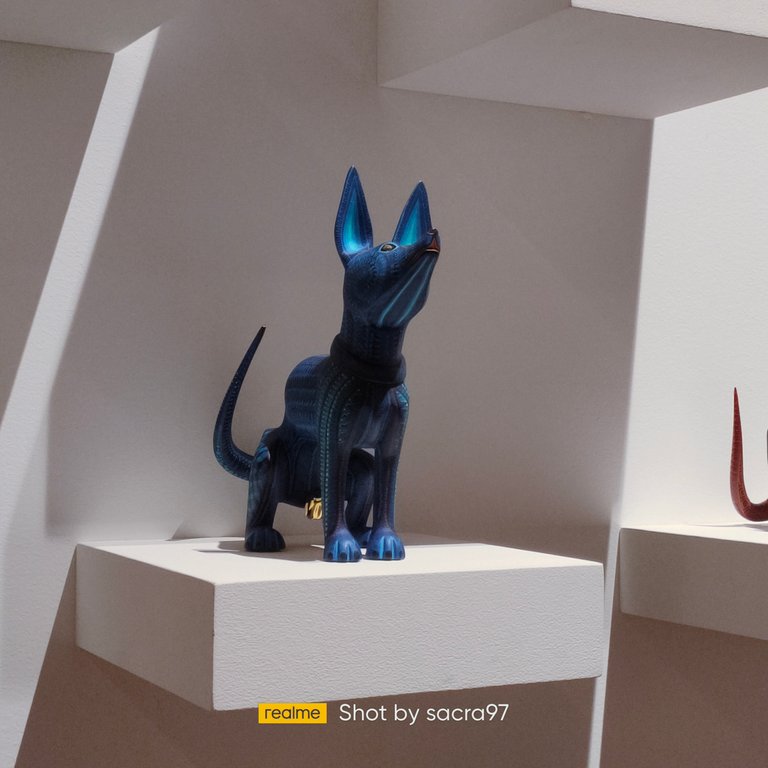
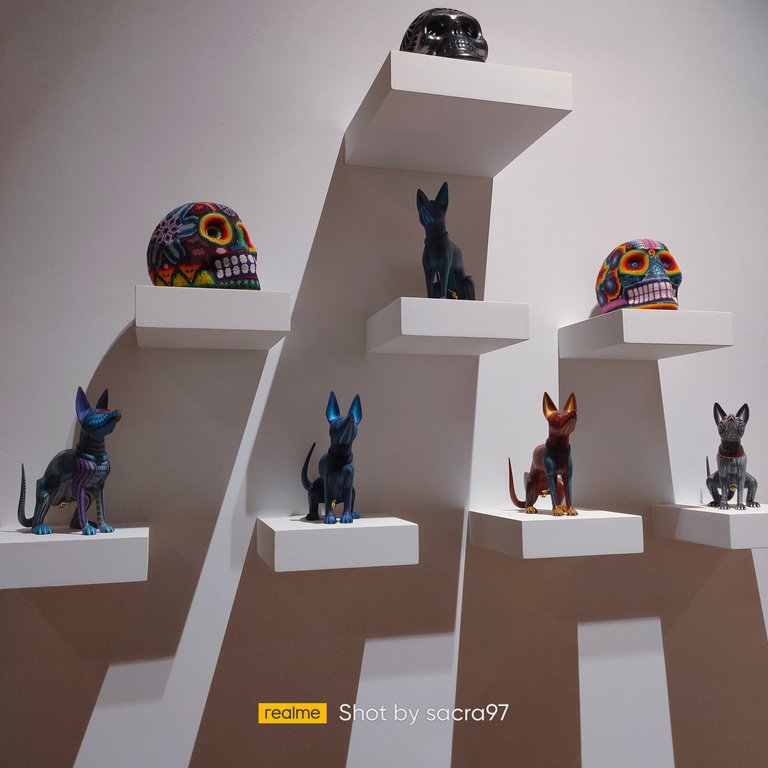
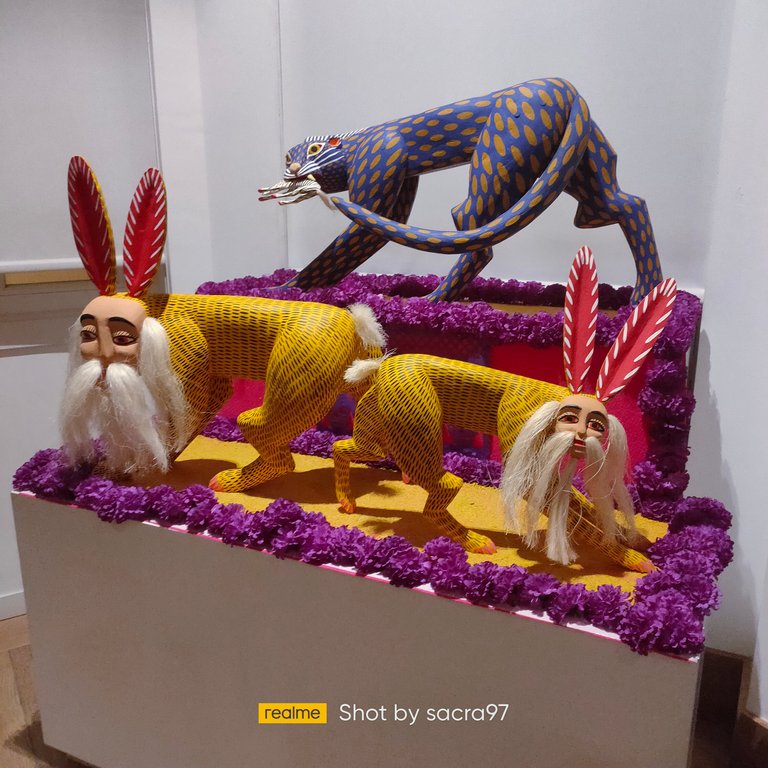
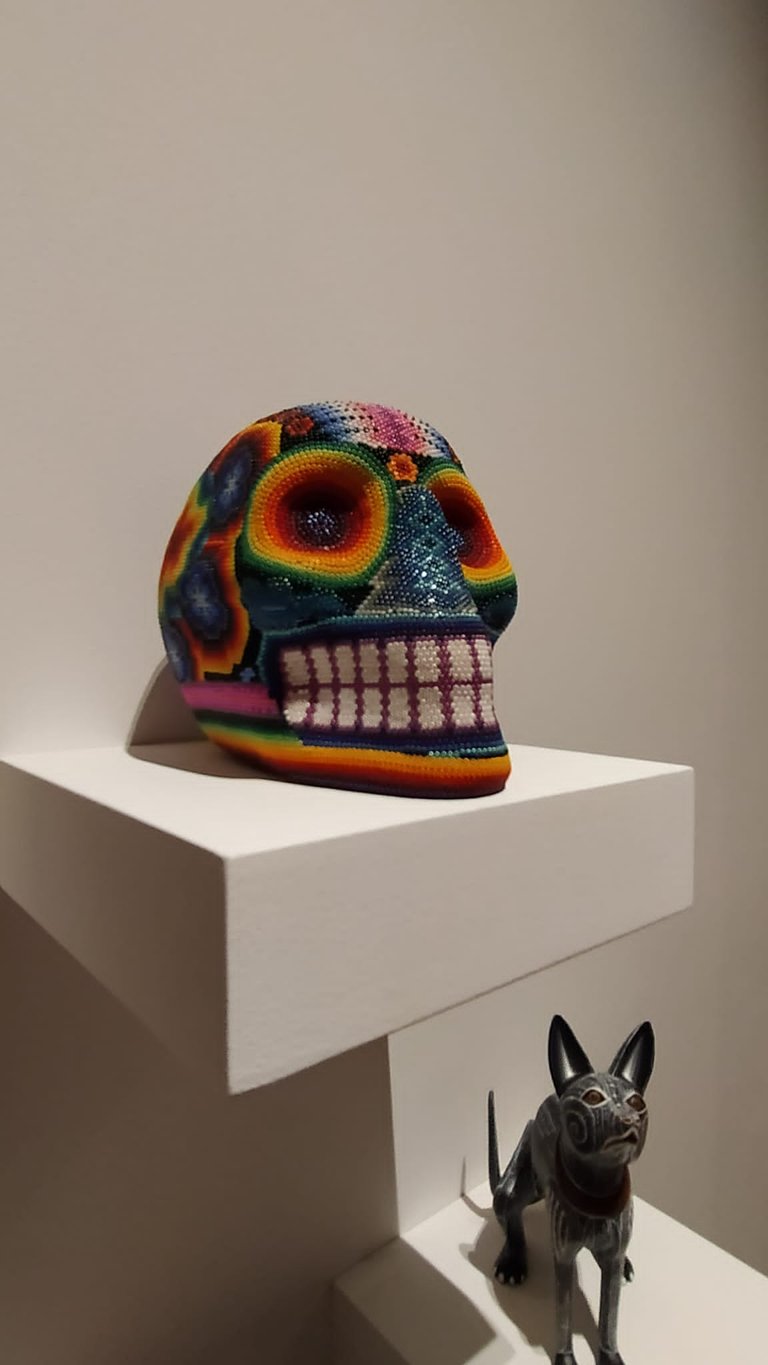
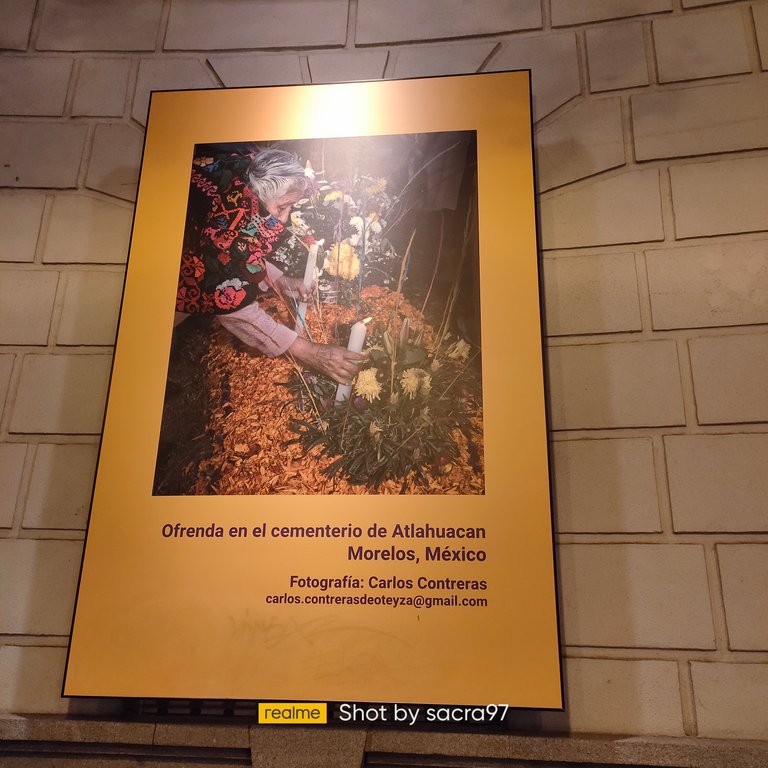
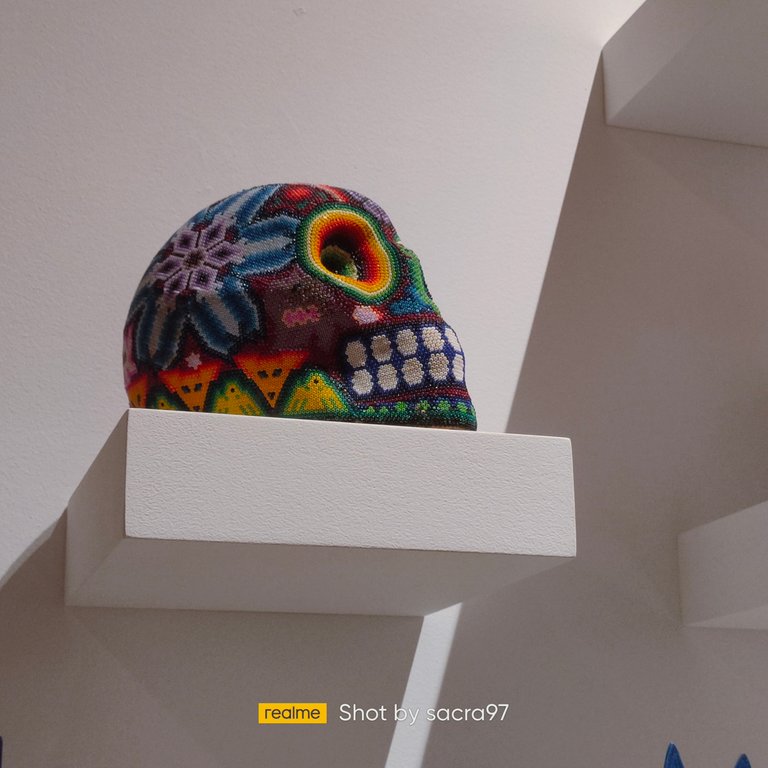
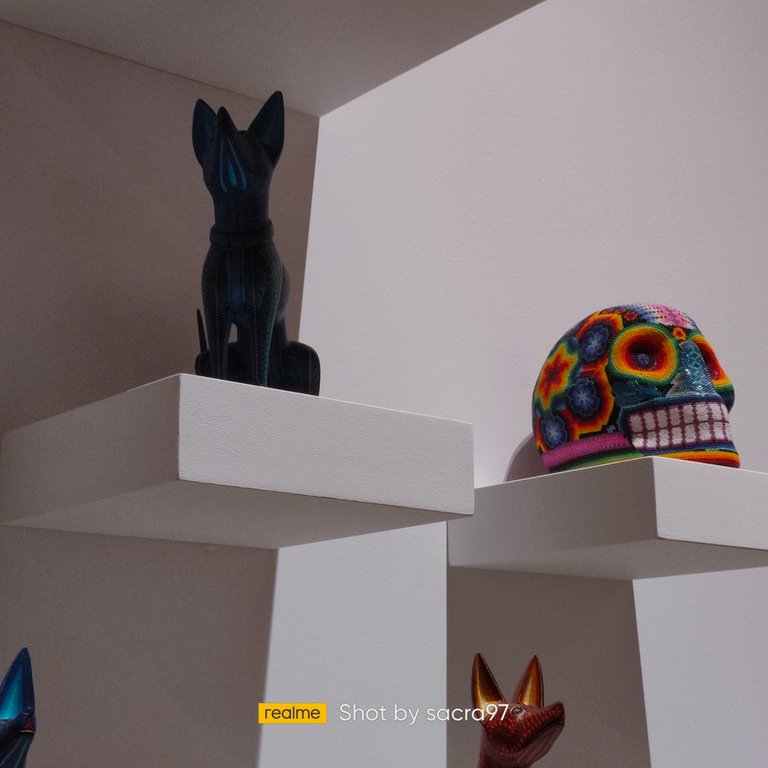
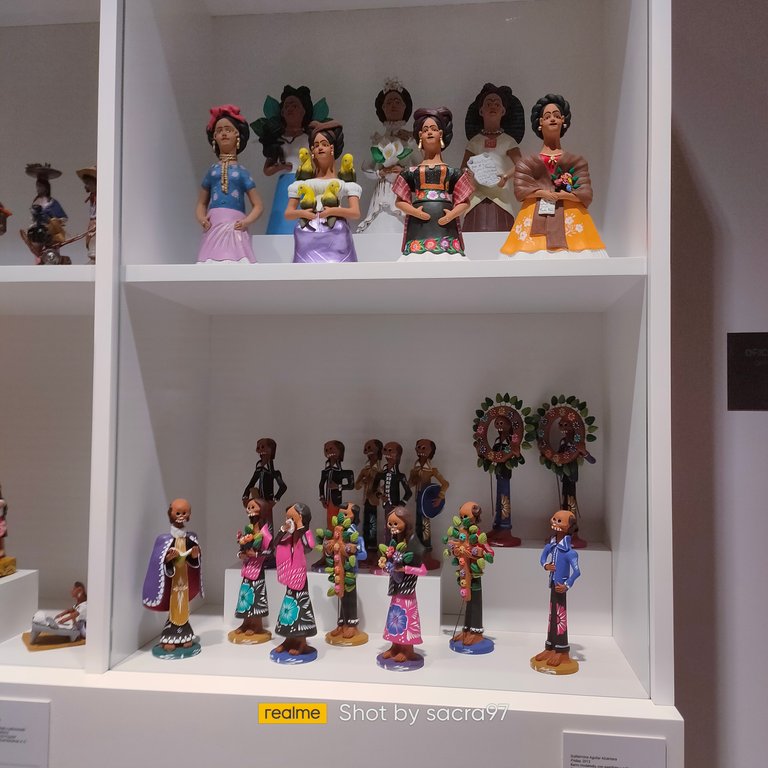
Observamos diferentes elementos y figuras elaborados por artistas mexicanos para esta exposición, que me resulto muy llamativa y colorida.
We observed different elements and figures made by Mexican artists for this exhibition, which I found very striking and colorful.
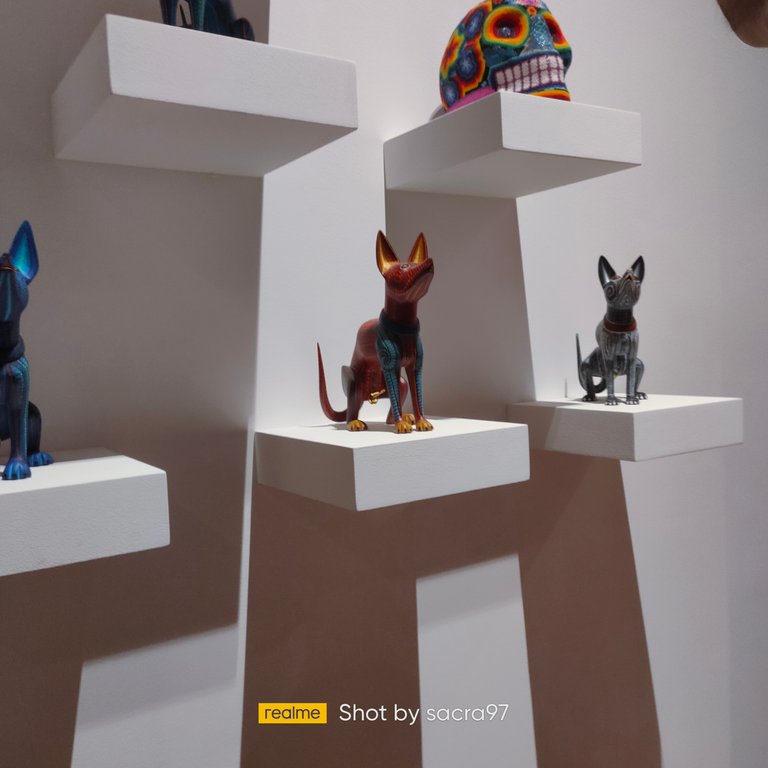
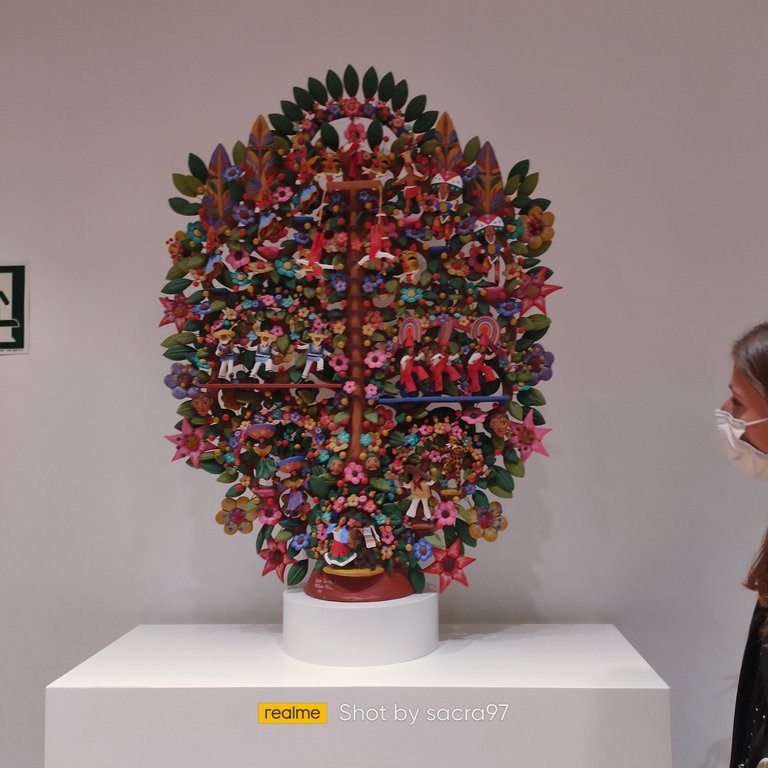
Tuvimos una guía, quien nos explicaba cada uno de los elementos presentes en la cultura del día de los muertos mexicana.
El día de los muertos en la cultura Mexicana los difuntos vienen a visitar a sus parientes en el hogar.
Se colocan en el altar las fotografías de sus difuntos.
Para los mexicanos es un día de fiesta, porque reciben con alegría la visita de los difuntos en forma simbólica.
We had a guide, who explained each of the elements present in the Mexican Day of the Dead culture.
On the day of the dead in Mexican culture the deceased come to visit their relatives at home.
The photographs of their deceased are placed on the altar.
For Mexicans it is a holiday, because they joyfully receive the visit of the deceased in a symbolic way.
Movíl realme 5 pro
Traducido con google (versión gratuita)
Photos with source identified
Mobile realme 5 pro
Translated with google (free version)

Un atractivo post de registro fotográfico, con apropiados comentarios, de esa visita a la exposición artesanal del Día de Los Muertos para la tradición mexicana. Saludos, @sacra97.
Muchísimas gracias por el apoyo @celf.magazine
!PIZZA
!hivebits
Success! You mined 1.0 HBIT on Wusang: Isle of Blaq. Sorry, but you didn't find a bonus treasure token today. Try again tomorrow...they're out there! | tools | wallet | discord | community | daily <><
Check for bonus treasure tokens by entering your username at an H-E explorer or take a look at your wallet.
Read about Hivebits (HBIT) or read the story of Wusang: Isle of Blaq.
$PIZZA slices delivered:
@sacra97(3/15) tipped @celf.magazine