Step by Step Venice #2 - From the Doge’s Palace to the Clock Tower

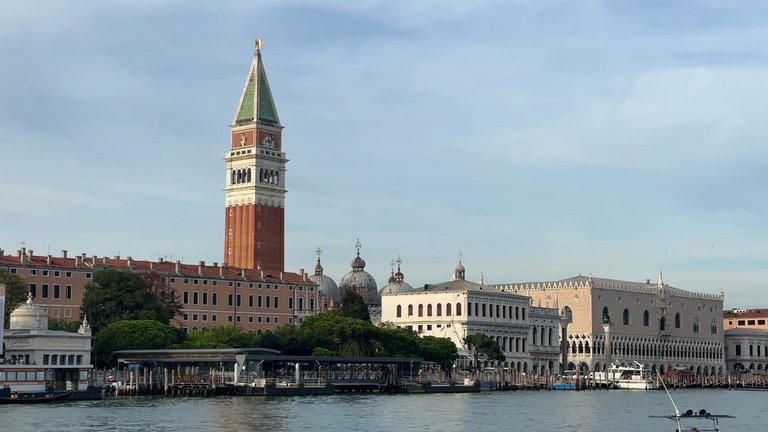
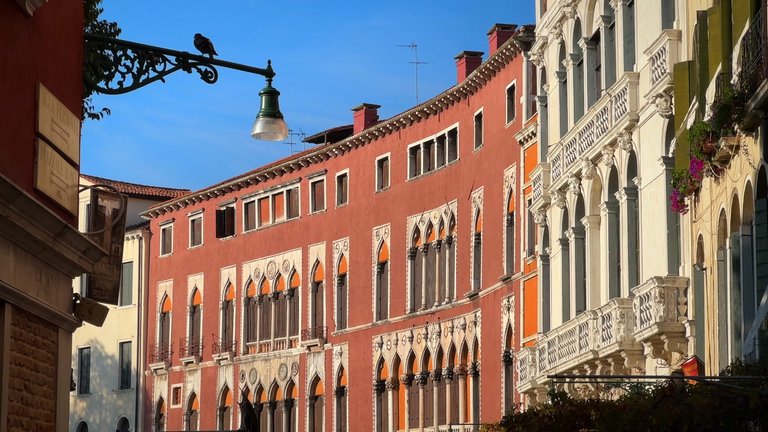
Hello dear travel lovers. While wandering through Venice, a thought often crossed my mind. If you took almost any building here and dropped it to a neighboring city, it would immediately become a landmark. Yet here, it’s just another house. Yes, a bit eye-catching but that’s all. It’s not just the unique setting that makes Venice one of the world’s most beautiful cities, of course. The local architecture possesses a charm that impresses every tourist.


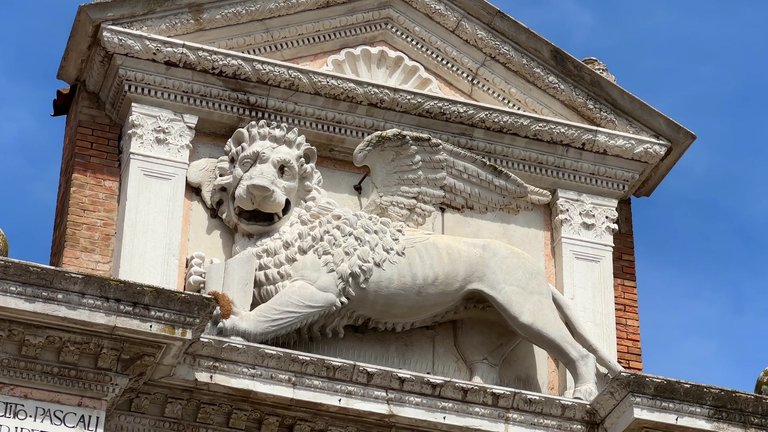
After touring the world’s first ghetto neighborhoods, we turned our gaze toward the impressive structures of the center. Our first stop was the Venetian Arsenal. The hundreds of ships were produced here every year, once upon a time. A thousand years ago, this city was a massive shipbuilding hub. It traded, it fought and it grew wealthy at a rapid pace. As it happened, the Venetian's main challenge became their primary advantage. Since all movement, inside and outside the city was only possible by boat, the Venetians became the best in the business. No one could build ships like them; they had, as you can imagine, a lot of practice. All ships for the Crusades were ordered from the Venetians. Furthermore, because they traded so extensively, they were deeply invested in producing warships to protect their cargo from the many pirates of the era. The Arsenal was founded in 1103. Employing roughly 2000 people, this state shipyard was one of Europe’s largest industrial centers.


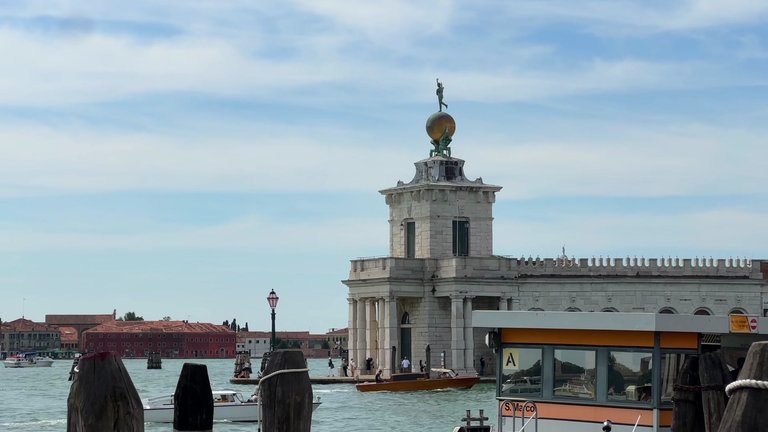
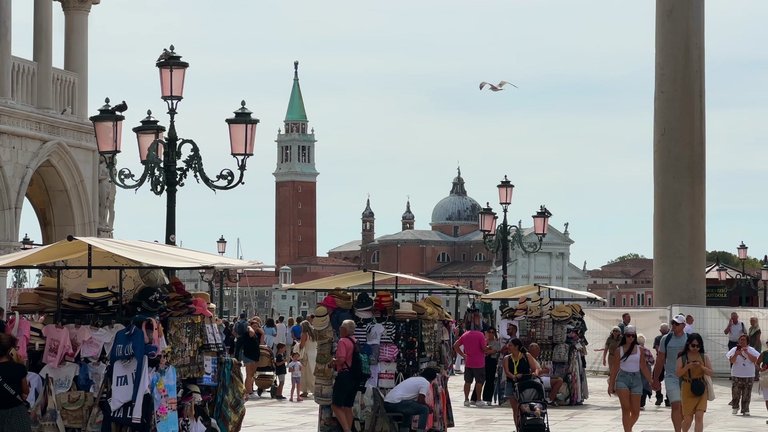
Our next stop was the Doge’s palace. This is the only palazzo in Venice, the main seat of power. The magnificent Palazzo Ducale. Interestingly, for a long time it wasn't customary to call any other Venetian palace palazzo, even the most famous ones. Instead, they were simply called casa, meaning house in Italian. This was shortened over time to just two letters - Ca. Like Ca' d'Oro or the Ca' Mastelli building we already know. That was it. Because in Venice there could only be one palazzo. The Doge’s palace, the symbol of the wealth, power and beauty of the Republic of Saint Mark. Built in the 14th and 15th centuries, the palace was the Doge’s residence, the meeting place for the Great Council and the Senate and the seat of the High Court. Even the secret police operated from here. It serves as the city’s primary museum today.


Next we visited what is arguably Italy’s most unusual cathedral, Basilica di San Marco. Its current appearance dates largely back to the 11th century when it was rebuilt in the Byzantine style, though the first church on the site was built in the 9th century for a very specific reason.


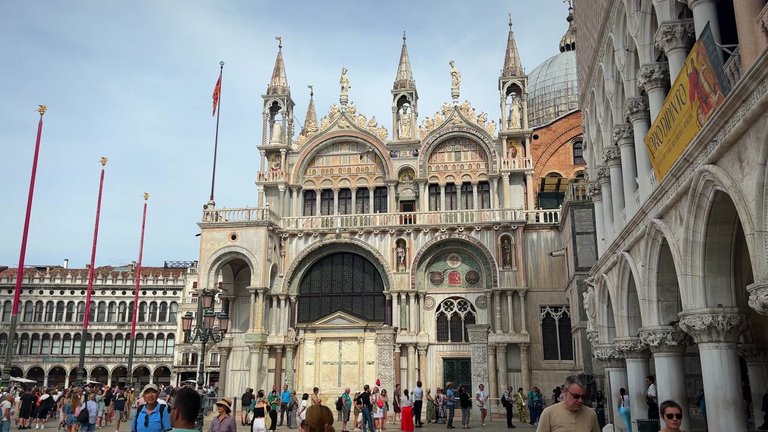
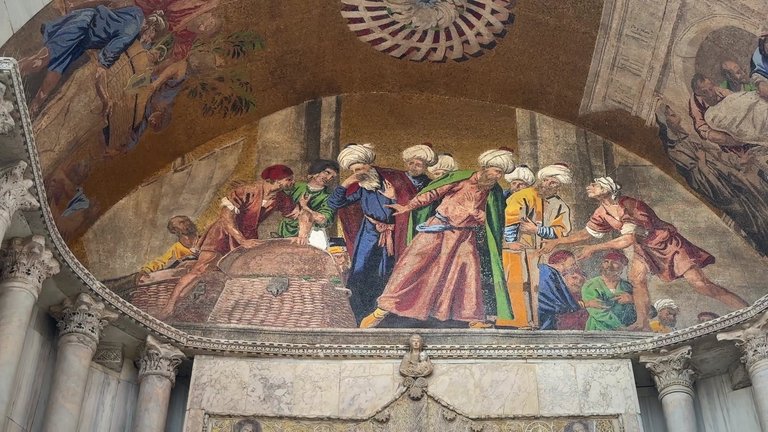
To the right of the main entrance, a scene depicting perhaps the most important moment in the Republic’s history is displayed. The mosaic shows people in traditional Egyptian clothing looking with great disrespect and disgust at two Venetian merchants holding a massive basket.
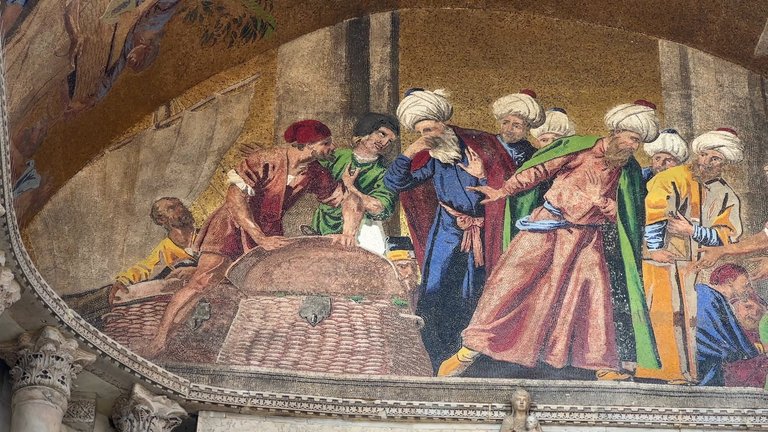
What is this strange scene? Here is the crucial backstory: Venice was trying to grow rich, trading and fighting and everything seemed fine. Except for one symbolic but vital problem. Venice lacked its own patron saint or holy martyr. By medieval standards, if you didn’t have one you simply weren't a great power or a really influential city. Sorry, those were the rules. Being business-minded people, the Venetians weren't about to wait around for a martyr to appear naturally. So, they opted for an adventure.

Two merchants headed to Alexandria, Egypt in 828 and secretly stole the bones of Saint Mark. But how to get such precious cargo back to Venice? They decided on a ruse: they covered Saint Mark’s body with a large amount of pork and placed it all in a giant basket. That is the very basket depicted in the mosaic.
Naturally the calculation was that Muslims would not touch the pork. And therefore wouldn't check what the Venetians were exporting. As you might guess, it worked. The bones were brought to Venice. Another mosaic to the left of the main entrance, shows this momentous event, the arrival of Saint Mark’s bones at the cathedral. Here it’s also interesting to see how the cathedral looked before the Gothic elements were added. And how does Saint Mark look in the art? You’d expect a closed coffin, but he is depicted looking alive, gazing back at the Venetians.


My favorite part is that the Venetians clearly knew they had done something naughty. They later claimed they had received intel that an attack on the bones was being prepared in Egypt, that the relics weren't safe. They essentially argued they didn't go to Alexandria to steal the bones, but to rescue them.

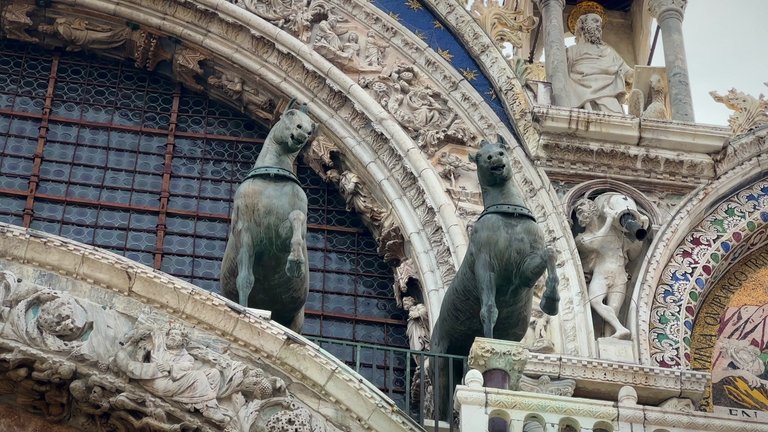
Four centuries later, when the Venetians decided to save Istanbul from the burden of protecting its most revered icons during the Fourth Crusade, they didn't even bother with excuses. They took masterpieces of jewelry, the golden altar and the four bronze ancient horses. These horses are the only surviving examples of ancient Greek equestrian statues in the world, dating back to the 4th century BCE. There is nothing else like them. People knew they were incredibly valuable even back in the thirteenth century. They were already over a thousand years old. To transport them successfully, they had to cut the statues in two. That is why the bronze horses in Venice have collars around their necks, to hide the unsightly seam marks. Yes, it’s probably best not to send precious cargo via the Venetians. I certainly wouldn't order a delivery from them. About 50 years ago, the originals were moved to the Basilica museum for protection and replaced by the copies we see outside today.


Afterward we headed into St. Mark’s Square. Every tourist knows this is the center of Venice. The only way to have it to yourself is to visit late at night. Or very early in the morning. Ideally come in winter and bring rubber boots just in case. Because the most beautiful photos are taken right here when the square is flooded. This happens quite often in the winter.

In the summer, especially during the day, there are almost as many people as there are wooden piles under the square. Consequently, coffee prices start at 8 Euros and climb as high as the top of the St. Mark's Campanile. 😄


Because of the crowds, it’s easy to miss the details, but they are significant. For example, the ninth and tenth columns on the facade of the Doge’s palace are distinguished by a specific shade of red. This is because the Doge used to stand between them to announce death sentences. The red color is no coincidence. The executions themselves were carried out between the two granite columns of Saint Mark and Saint Theodore.

You might also miss the white lines on the pavement due to the sea of tourists. These were used as markers for ceremonial processions likely.

One of my favorite treasures is the Torre dell'Orologio or Clock tower. Built at the end of the fifteenth century. It shows the phases of the moon and the zodiac signs .And instead of the usual 12 hours, it features 24. The Venetians built similar clock towers in many cities under their rule. If you’ve ever been to Greece, Albania, Montenegro, Croatia or Slovenia and seen Italian architecture, know that it is a Venetian legacy. The Republic of Saint Mark wasn't just limited to the canals we see today. Even in Northern Italy cities you will see the Venetian influence. Venice was a massive, wealthy state. And the city we know today was just its capital - magnificent, but small compared to its Medieval greatness.


After visiting these historic landmarks in the center, we left St. Mark’s Square and headed toward the Grand canal. I will continue sharing our discoveries there in my upcoming posts. See you soon.
You can check out this post and your own profile on the map. Be part of the Worldmappin Community and join our Discord Channel to get in touch with other travelers, ask questions or just be updated on our latest features.
Congratulations, your post has been added to the TravelFeed Map! 🎉🥳🌴
Did you know you have your own profile map?
And every post has their own map too!
Want to have your post on the map too?
- Go to TravelFeed Map
- Click the create pin button
- Drag the marker to where your post should be. Zoom in if needed or use the search bar (top right).
- Copy and paste the generated code in your post (any Hive frontend)
- Or login with Hive Keychain or Hivesigner and click "create post" to post to Hive directly from TravelFeed
- Congrats, your post is now on the map!
PS: You can import your previous Pinmapple posts to the TravelFeed map.Opt Out
YEAH!... What a top quality article and shots @lett friend!... Thanks a lot for sharing this!
!PIZZA
!discovery
This post was shared and voted inside the discord by the curators team of discovery-it
Join our Community and follow our Curation Trail
Discovery-it is also a Witness, vote for us here
Delegate to us for passive income. Check our 80% fee-back Program
$PIZZA slices delivered:
@jlinaresp(10/15) tipped @lett
Join us in Discord!