Obon Festival: Longing and Bouquets お盆:思慕とブーケと [English and Japanese]

Obon Festival: Longing and Bouquets
Even though I am living far away from my hometown for now, the memories and habits I grew up with will never disappear from inside me.
In Japan, people have just finished celebrating the Obon Festival, which is a traditional Japanese time to honour and remember deceased family members and ancestors. Obon is somewhat similar to Mexico's Día de Muertos (Day of the Dead).
August is a somewhat melancholy but beautiful time in Japan. A time for spending time with loved ones or remembering those we have lost. When we were young, our families would gather during the Obon days, and those kinds of memories usually stay with us for a long time. After the memorial days for Hiroshima and Nagasaki, we also have the memorial day marking the end of World War II on August 15th. At the same time, we usually spend the Obon period with our families.

After Obon, people return to their ordinary workdays, but children are still enjoying the rest of their summer vacation. The weather starts to feel a little different, even though the days are still hot. We begin to smell and feel the coming of autumn, while the cicadas and higurashi cicadas are still singing noisily around us.
I don't have these kinds of days in my current country, but I still feel the customs of Obon inside me. For example, I can almost hear the sounds of Obon festival songs and remember the smell of the Obon altar, with its sweet fruit, flowers, and incense. Additionally, when we were young, we were taught not to kill small insects during Obon because people believed that the spirits of our ancestors might return to us in the form of insects.
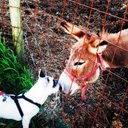
My kind neighbour, who of course doesn't know much about Obon culture, gives me colourful bouquets around this time of year. When I walk past her house while walking my dog, she calls out to me and says, “Your flowers are sitting there!”
The bouquet looks exactly like something that would be perfect for an ancestral altar during Obon. I don't have an altar here, so I put the bouquet on the small window in my kitchen instead.

Flowers have been sad things for me for a long time. Actually, I loved flowers when I was little, especially in my grandmother's garden. However, little by little, flowers became associated with sadness for me. Nowadays, I don't feel deeply sad when I look at flowers anymore. I love spending time in my garden and watching all the different kinds of flowers.
Plants can sense external stimuli and respond to them. They may not have emotions in the same way humans do, but this is one reason we might wonder if plants have feelings of their own. The connection between humans and flowers is deep and has a very long history.
Anyway, after Obon, I need to seriously start preparing for autumn!
Japanese 日本語
お盆:思慕とブーケと
今は故郷から遠く離れた場所で暮らしていますが、子どもの頃からの思い出や習慣は、私の中から消えることは決してないように感じます。
日本では、ちょうどお盆の時期が終わったところだと思います。お盆は、亡くなった家族やご先祖さまを偲び、敬う日本の伝統的な時期ですよね。お盆は、メキシコの死者の日(Día de Muertos)と少し似ているのではないかと思います。
8月の日本は、少し物悲しくもあり、それでいて美しい季節です。大切な人たちと過ごしたり、亡くなった大切な人たちを思い出したりする時間でもあります。子どもの頃、お盆になると家族が集まった思い出は、大人になっても心の中に残っている人も多いのではないでしょうか。広島と長崎の慰霊の日を過ぎると、8月15日には終戦を記念日があって、そして、ちょうどその時期に、お盆があります。
お盆が終わると、大人たちはいつもの仕事の日々へ戻っていきますが、子どもたちはまだ夏休みの残りを楽しんでいます。まだまだ暑い日が続いているのに、少しずつ空気が変わってきます。セミやヒグラシの声がまだ周りで賑やかに聞こえているのに、秋の気配を感じたり、秋の匂いを感じたりするようになります。
今暮らしている国には、お盆のような時間はありません。でも、私の心の中には今でもお盆の習慣が残っているのです。たとえば、お盆の音楽が聞こえてくるような気がしたり、甘い果物や花、お線香が置かれたお盆のお供えの仏壇の香りを思い出したりします。そして、子どもの頃に教わった、先祖の魂が虫になって戻ってくると言われているお盆の時期には、小さな虫を殺してはいけないということを守ってしまいます。
優しいご近所さんは、もちろんお盆の文化を知っているわけではありません。でも、この時期になると、色とりどりの花束をくれます。犬の散歩で彼女の家の前を通ると、彼女が遠くから「あなたの花、そこに置いてあるわよ!」と言ってくれます。
その花束は、まるでお盆のときに仏壇に飾るのにぴったりな花のように見えます。こちらには仏壇がないので、その花束をキッチンの小さな窓辺に飾ります。
自分にとって、花は長い間、悲しみを感じさせるものでした。実は、子どもの頃は花が大好きだったのです。特に、祖母の庭に咲いている花が大好きでした。でも、少しずつ、花は悲しいものになっていきました。今では、花を見ても、以前のように深い悲しみを感じることが少なくなってきたように感じます。庭に咲いているいろいろな種類の花を眺めることが好きです。植物は、外からの刺激を感じ取り、それに反応することができると言われていますよね。人間とまったく同じような感情を持っているわけではないかもしれませんが、きっと、何かを感じる気持ちがあるような気がします。人間と花とのつながりは、とても深く、そしてとても長い歴史があるのだと思います。
さて、お盆が終わったので、そろそろ本格的に秋の準備を始めなくては!
Thank you for reading!
お読みいただきありがとうございます!
その写真がきれいそう。何時か、お盆祭が行きたいんですが。
ありがとう!いつかお盆のお祭りに行けるといいですね!
Thank you!