Solemnidad Tallada en Silencio - Solemnity Carved in Silence. [Esp - Eng]
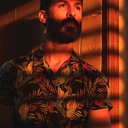

Recuerdo como se sentaba a mi lado mientras conversábamos en los largos pasillos de las escuelas al campo en Caimito del Guayabal cuando los dos éramos profesores, porque mientras yo fui alumno, nunca se había tomado el tiempo para conversar, claro que tampoco había mucho para tomarse tiempo libre. Fue solo años después cuando estábamos en medio de la investigación del monumento de la rotonda cuando escribíamos el artículo para Girón de Luz que expresó su profundo deseo de visitar Santa Ifigenia y mezclarse con toda la historia que allí se respira, honrar con su visita todo el homenaje que se rinde a todos los patriotas y los héroes que allí descansan. Pero yo sabía que de todos, al que quería visitar era a Martí, y es que el amor que le profesaba era titánico. Aún el sueño no se ha cumplido, y en más de una ocasión he intentado ayudarlo a alcanzarlo pero la actualidad de Cuba no ayuda mucho.
I remember how he used to sit beside me as we talked in the long hallways of the escuelas al campo in Caimito del Guayabal, back when we were both teachers. Because when I was a student, he never took the time to talk—of course, there wasn’t much free time to take anyway. It was only years later, when we were in the middle of researching the monument at the roundabout while writing the article for Girón de Luz, that he confessed his deep desire to visit Santa Ifigenia and immerse himself in all the history that breathes there, to honor with his presence the tribute paid to all the patriots and heroes who rest in that place. But I knew that, above all, the one he longed to visit was Martí, because the love he professed for him was titanic. The dream still hasn’t come true, and more than once I’ve tried to help him reach it, but Cuba’s current reality doesn’t make it easy.

Pensaba en él y en cada cubano que añoraba de cierta forma conocer su patria, en cada cubano que después de muchos años no había podido explorar su tierra como hubiera querido. En cada paso en el cementerio, en cada vista que ofrecía trataba de retratar, de documentar cada espacio para después regalar una imagen, una evidencia del lugar y su armonía. También, supongo que como Martí en Caracas, frente a la estatua del Libertador, mi querido amigo hubiera querido rendirle honores. Cada paso sobre el mármol encendido por la cálido e intenso sol de Santiago valía la pena, cada imagen que le robé al lugar era un tesoro que después compartiría con el en la distancia. Recuerdo que era domingo, pero no cualquier domingo, era el segundo domingo de mayo y la ciudad de Santiago acompañada de flores daban muestra de amor a las madres.
I thought of him, and of every Cuban who longed, in one way or another, to truly know their homeland—of every Cuban who, after so many years, had not been able to explore their own land the way they wished. With every step I took through the cemetery, with every view it offered, I tried to capture, to document each space so I could later gift him an image, a trace of the place and its harmony. And I suppose that, like Martí in Caracas before the statue of the Liberator, my dear friend would have wanted to pay his respects. Every step on the marble, lit by the warm and intense Santiago sun, was worth it; every image I stole from that place was a treasure I would later share with him from afar. I remember it was a Sunday—but not just any Sunday. It was the second Sunday of May, and the city of Santiago, adorned with flowers, was offering its love to the mothers.

Fue un tiempo para contemplar, para escuchar las explicaciones que nos daban de cada detalle, de cada escudo, de cada escultura que acompañaba el lugar, de asombro ante el cambio de guardia de honor después de las campanadas que retumbaron en todo el cementerio en aquel silencio profundo que caracteriza a cada uno de estos lugares, en especial a este. Como la luz y la sombra se dividían para dibujar en las paredes patrones, dejar a oscuras parte del monumento mientras que simultáneamente alumbraba otras que posteriormente también caerían en la penumbra mientras otras salían de ellas en el ciclo casi infinito de los días.
It was a time for contemplation, for listening to the explanations they gave us about every detail, every coat of arms, every sculpture that shaped the place. A time for wonder as the honor guard changed after the bell tolls echoed through the entire cemetery, resonating in that profound silence that defines places like this—especially this one. I watched how light and shadow split themselves to draw patterns on the walls, leaving parts of the monument in darkness while illuminating others that would later also fall into shadow, as new ones emerged from it in the almost endless cycle of the days.


El recorrido tenía que seguir, la observación y la visita se complementaba con otros grandes de la patria: Carlos Manuel de Céspedes y Mariana Grajales (Padre y Madre de la Patria, respectivamente). Cada uno con sus historia y anécdotas que trascendieron a sus tiempos todo por la lucha de liberación de la España colonial. Uno, se cuenta, que abandonó todas sus riquezas y privilegios por la libertad de Cuba despertando el espíritu de lucha en el oriente cubano, la otra entregó a la lucha los guerreros más bravos que conocieran los enemigos, de una braveza tan grande que sus hazañas parecen sacada de cuentos fantásticos o de ficción.
The path had to continue; the observation and the visit were completed by other great figures of the homeland: Carlos Manuel de Céspedes and Mariana Grajales (Father and Mother of the Nation, respectively). Each carried stories and anecdotes that transcended their time, all born from the struggle for liberation from colonial Spain. One, it is said, abandoned all his wealth and privileges for Cuba’s freedom, awakening the spirit of rebellion in the eastern part of the island. The other gave to the cause the bravest warriors the enemy would ever face, a courage so immense that her feats seem taken from fantastic tales or works of fiction.


En su mármol blanco reposaba Céspedes, en una pulcritud inmaculada, una blancura que realzaba su brillo bajo el intenso sol y a su lado, Mariana con su busto como saliendo del tronco de una ceiba, árbol que tiene una representación religiosa y poética entre los cubanos, en una estructura tosca y aparentemente interminada que me hicieron pensar en la entereza de aquella mujer, de sus raíces y su firmeza. Allí frente a la estatua me estremecí, no fue cuando me paré ante Martí ni cuando lo hice ante Céspedes, fue cuando la presencia de esa madre la tuve enfrente cuando todas las historia que te contaban por años se agolparon en mi cabeza y me llenaron de emoción. La palma, esa hermosa palma real, custodiaba en cada caso firme a sus lados como centinelas eternas de aquellas grandes personalidades.
On its white marble rested Céspedes, in immaculate purity, a brightness intensified by the fierce sun. And beside him, Mariana—her bust emerging as if from the trunk of a ceiba, a tree with deep religious and poetic meaning for Cubans. The rough, seemingly unfinished structure made me think of her steadfastness, her roots, her unbreakable strength. Standing before her statue, I trembled. It wasn’t when I stood before Martí, nor when I did so before Céspedes. It was when I found myself in the presence of that mother that all the stories told to me over the years rushed into my mind and filled me with emotion. The royal palm, that beautiful palm, stood firm at their sides like an eternal sentinel guarding those great figures.


No podía faltar Emilio Bacardí, que tanto amor le entregó la ciudad, fue su primer Alcalde después de la dominación española y hoy no se puede entender la grandeza de la ciudad sin vincularla de alguna forma su figura y su acción cultural y patriótica. Hoy quizás solo vinculemos su apellido al afamado ron cubano, pero la verdad es que hizo grandes cosas en la ciudad de Santiago de Cuba, la cual amó con gran pasión. Un ejemplo de esa gran dedicación fueron los diez tomos heredados a las nuevas generaciones donde se narran las Crónicas Santiagueras de la época, reconstruyó la ciudad tras la guerra de 1898, instruyó la Fiesta de la Bandera y electrificó y urbanizó gran parte de la ciudad. Todo un ejemplo de hijo ilustre.
Emilio Bacardí could not be absent—the man who gave so much love to the city. He was its first Mayor after the end of Spanish rule, and today it is impossible to understand the greatness of Santiago without linking it in some way to his figure and to his cultural and patriotic work. Perhaps now we associate his surname only with the famous Cuban rum, but the truth is that he accomplished extraordinary things for the city he loved with such passion. One example of that dedication are the ten volumes he left to future generations, where the Crónicas Santiagueras of the era are recorded. He rebuilt the city after the war of 1898, established the Fiesta de la Bandera, and electrified and urbanized large parts of Santiago. A true example of an illustrious son.

Mucho quedaba por explorar, muchas otras cosas por ver pero por retratar quedaba poco, justo cuando me paré frente a la tumba de Estarda Palma, allí se acabó la capacidad de almacenamiento de la cámara (que gracias a amigos de la ciudad se solucionó, pero ya había quedado atrás Santa Ifigenia). Allí acabaría nuestro recorrido fotográfico por este inmenso monumento a la cubanía y a nuestras personalidades. Allí nunca regresé para seguir documentando la historia que encierra el lugar, quizás en algún momento lo haga, quizás lo haga acompañado de ese amigo que con cada imagen suspiraba, con cada historia se emocionaba y con cada episodio de mi viaje sentía que estaba allí. Eso quedará para una posible futura historia, crucemos dedos y esperemos que se concrete. Hasta aquí este hermoso paseo por parte ese Cementerio Patrimonial que en el silencio guarda el homenaje a cada uno de esas grandes personalidades.
There was still much left to explore, many other things to see, but little left to photograph. It happened just as I stopped in front of Estrada Palma’s tomb—there the camera’s storage finally ran out. Thanks to friends in the city it was later resolved, but by then Santa Ifigenia was already behind us. That moment marked the end of our photographic journey through this immense monument to Cuban identity and to the figures who shaped it. I never returned to continue documenting the history held within those grounds; perhaps one day I will, perhaps I’ll do it accompanied by that friend who sighed at every image, who was moved by every story, who felt present in every episode of my trip. That will remain for a possible future story—let’s cross our fingers and hope it becomes real. And so ends this beautiful walk through a part of that Heritage Cemetery, which in its silence guards the tribute to each of those great figures.

Detalles Técnicos Cámara:
Canon EOS 80D / Canon EOS 600D
Lente: Sigma Art 18-35mm f/1.8 DC , Helio-44-2 58mm f/2, Canon EF 50mm f/1.4 USM
Trípode: K&F Concept K254C2
Texto traducido por Copilot / Translated by Copilot.
You can check out this post and your own profile on the map. Be part of the Worldmappin Community and join our Discord Channel to get in touch with other travelers, ask questions or just be updated on our latest features.
Santa Ifigenia. Historia pura, ahí yacen personas que aparecen en los libros de historia y otros que no. Historia y cultura pura de Cuba.
Es un lugar con una espiritualidad tremenda. Yo tuve la oportunidad de visitarlo mucho antes de la covid-19 y observar como el día de las madres el cementario se llenaba de personas y flores. Además que las setemonias y toda la historia que allí se guarda es increible. Un lugar que se debe visutar en Santiago si o si.
!discovery
!PIZZA
$PIZZA slices delivered:
@jlinaresp(12/15) tipped @jcalvoparapar
Learn more at https://hive.pizza.
This post was shared and voted inside the discord by the curators team of discovery-it
Join our Community and follow our Curation Trail
Discovery-it is also a Witness, vote for us here
Delegate to us for passive income. Check our 80% fee-back Program