Winter Retrobright – Geduld, Frustration und zu wissen, wann man aufhören sollte

Winter Retrobright – Patience, Frustration and Knowing When to Stop
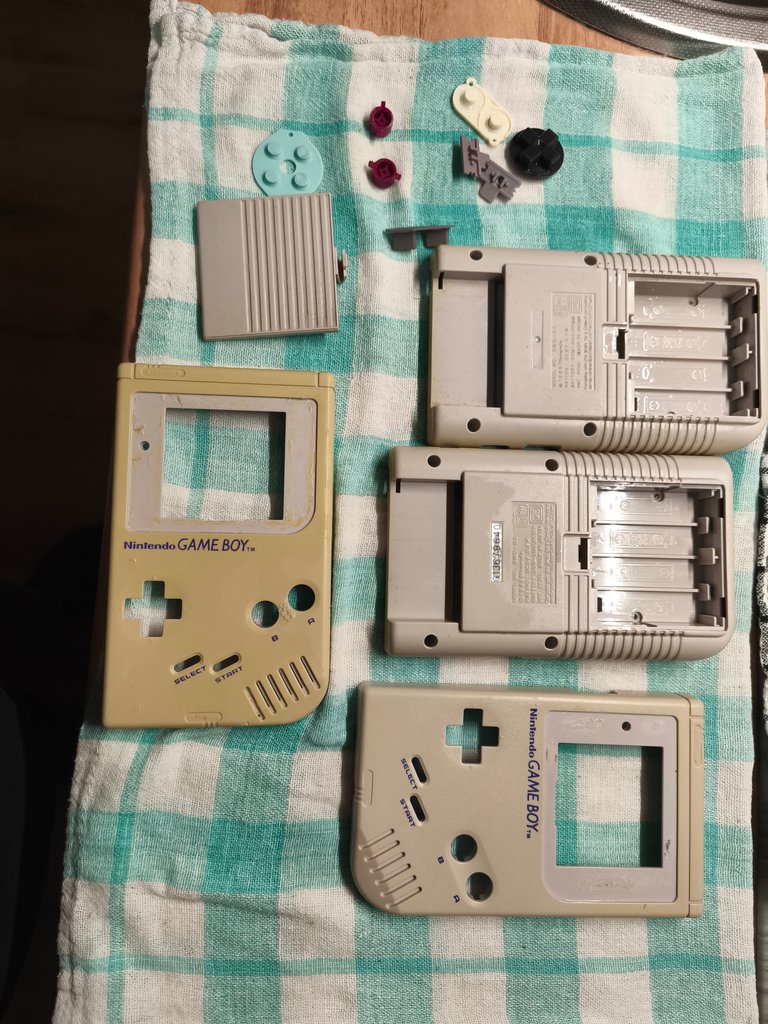
When I started this small Retrobright project, I already knew one thing: winter is the worst possible season for it. Weak sunlight, low UV levels, low temperatures. And still, I did it.
Not because it was the perfect moment, but because this Game Boy shell had reached a point where I simply wanted to try. Carefully. Slowly. Without forcing anything.
From the very beginning, my goal was not perfection. I did not want a factory-new look. I wanted something else: honesty. An original DMG shell that still looks its age, but no longer looks neglected.
Als ich dieses kleine Retrobright-Projekt begonnen habe, war mir eines von Anfang an klar: Der Winter ist die denkbar schlechteste Jahreszeit dafür. Schwache Sonne, wenig UV-Anteil, niedrige Temperaturen. Und trotzdem habe ich es gemacht.
Nicht weil es der perfekte Zeitpunkt war, sondern weil dieses Game-Boy-Gehäuse einen Punkt erreicht hatte, an dem ich es zumindest versuchen wollte. Vorsichtig. Langsam. Ohne irgendetwas zu erzwingen.
Mein Ziel war dabei nie Perfektion. Ich wollte keinen fabrikneuen Zustand. Ich wollte Ehrlichkeit. Ein originales DMG-Gehäuse, das sein Alter zeigt, aber nicht mehr ungepflegt wirkt.
The Starting Point

The initial condition will be familiar to many collectors. A clearly yellowed front shell, uneven discoloration, especially around the screen opening and the lower area. Decades of aging had done their work. The back shell was in better shape, but still far from neutral.
Laying the parts next to each other made it obvious how far the color had drifted apart over the years. That moment alone was enough motivation to start.
Der Ausgangszustand dürfte vielen Sammlern bekannt vorkommen. Eine deutlich vergilbte Frontschale, ungleichmäßige Verfärbungen, besonders rund um den Displayausschnitt und im unteren Bereich. Jahrzehnte der Alterung hatten ihre Spuren hinterlassen. Die Rückschale war etwas besser, aber ebenfalls weit entfernt von einem neutralen Farbton.
Als die Teile nebeneinander lagen, wurde erst richtig sichtbar, wie stark sich die Farben im Laufe der Jahre auseinanderentwickelt hatten. Allein dieser Moment war Motivation genug.
The Process – Slow and Sometimes Frustrating

I used 12 percent hydrogen peroxide, applied evenly, sealed in transparent containers and foil to prevent drying. The first phase took place in direct sunlight. Or rather what winter sun pretends to be. Later that same day, I continued with artificial UV light to support the process.
Progress was slow. Painfully slow. After hours in the sun, the difference was barely visible. After days, there was finally movement. The strong yellow tint started to fade, but it was clear that this would not be a quick win.
At some point I added a UV lamp. It helped, but only to a degree. The lamp was simply not strong enough to push the reaction much further. And this is where frustration slowly crept in. Not because nothing happened, but because I could feel that I was approaching a limit.
Zum Einsatz kamen 12 Prozent Wasserstoffperoxid, gleichmäßig aufgetragen, luftdicht in transparenten Boxen und Folie verpackt, damit nichts austrocknet. Die erste Phase fand in direkter Sonne statt. Oder zumindest dem, was sich im Winter dafür hält. Noch am selben Tag nach der Sonne habe ich zusätzlich mit UV-Licht weitergemacht, um den Prozess zu unterstützen.
Der Fortschritt war langsam. Quälend langsam. Nach Stunden in der Sonne war kaum ein Unterschied zu sehen. Erst nach mehreren Tagen begann sich der starke Gelbstich langsam zurückzuziehen. Es war klar, dass das kein schneller Erfolg werden würde.
Irgendwann kam zusätzlich eine UV-Lampe zum Einsatz. Sie half, aber nur begrenzt. Die Leistung reichte einfach nicht aus, um den Prozess entscheidend weiterzutreiben. Genau hier kam der Frust ins Spiel. Nicht, weil nichts passierte, sondern weil man spürt, dass man sich einer Grenze nähert.
Knowing When to Stop

This is the critical moment in every Retrobright project. The point where you have to decide whether you push further or stop.
Looking at the shell, the improvement was obvious. The yellow tone was gone. The color was much more uniform. The surface was intact. The lettering was crisp. No chalky texture. No stains.
What remained was not dirt or discoloration anymore. It was the natural aging of ABS plastic. And that is something Retrobright cannot erase without causing damage.
Stopping here was not giving up. It was the right decision.
Das ist der kritische Moment bei jedem Retrobright-Projekt. Der Punkt, an dem man entscheiden muss, ob man weitermacht oder aufhört.
Beim Blick auf das Gehäuse war die Verbesserung deutlich. Der Gelbstich war verschwunden. Die Farbe wirkte gleichmäßig. Die Oberfläche war intakt. Die Beschriftung klar. Keine kreidigen Stellen. Keine Flecken.
Was übrig blieb, war keine klassische Verfärbung mehr. Es war die natürliche Alterung des ABS-Kunststoffs. Und genau die lässt sich nicht weiter entfernen, ohne Schaden anzurichten.
Hier aufzuhören war kein Aufgeben. Es war die richtige Entscheidung.
Final Thoughts
This Game Boy shell will never look new again. And it should not. What it looks like now is something I value much more: authentic, well cared for, and honest.
Winter Retrobright is possible, but it demands patience and restraint. And maybe the most important lesson of all is this: knowing when to stop is just as important as knowing how to start.
Dieses Game-Boy-Gehäuse wird nie wieder neu aussehen. Und genau das soll es auch nicht. Was es jetzt zeigt, ist für mich viel wertvoller: Authentizität, Pflege und Ehrlichkeit.
Retrobright im Winter ist möglich, aber es erfordert Geduld und Zurückhaltung. Vielleicht ist die wichtigste Erkenntnis dabei diese: Zu wissen, wann man aufhört, ist genauso wichtig wie zu wissen, wann man anfängt.
Community Question
Have you ever reached a point in a restoration where you consciously decided to stop?
What matters more to you: maximum brightness or long-term originality?
I am curious to hear your experiences.
Habt ihr bei einer Restaurierung schon einmal bewusst den Punkt gewählt, an dem ihr aufgehört habt?
Was ist euch wichtiger: maximale Aufhellung oder langfristige Originalität?
Ich bin gespannt auf eure Erfahrungen.

Dein Hornet on Tour
Your Hornet on Tour

📸 Instagram: hornet_on_tour
🐦 Twitter: OnHornet
🖼 Photo: Hornet on Tour
Congratulations @hornet-on-tour! You have completed the following achievement on the Hive blockchain And have been rewarded with New badge(s)
Your next target is to reach 65000 upvotes.
You can view your badges on your board and compare yourself to others in the Ranking
If you no longer want to receive notifications, reply to this comment with the word
STOPCheck out our last posts: