Rarely do I sit in a public place without wondering what is happening inside the heads around me. Not in a dramatic way, not as a writer hunting for spectacle, but in the quiet sense of noticing. A man staring past the traffic light as if it were a window. A woman scrolling her phone without really seeing it. Someone with their hands folded, eyes fixed on nothing in particular. When nobody is watching us closely, our faces loosen. Thought takes over posture. Sometimes what lives there feels peaceful, almost soft, like a private beach no one else knows about. Other times it feels empty, blank, mechanical. Autopilot mode, breath in, breath out, next task, next obligation. I suspect many of us float between those states without realizing when the switch happens. We do not announce it. We do not even name it. We just exist inside it...
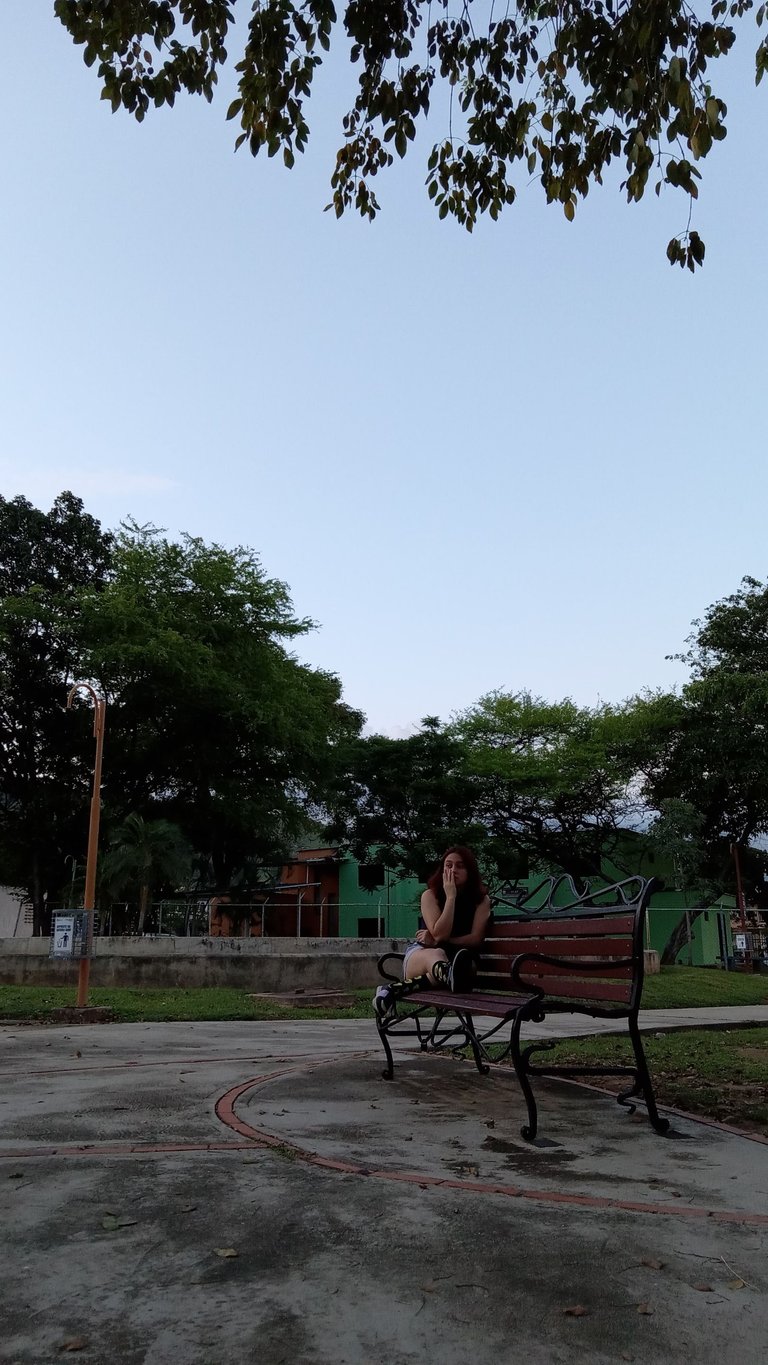
Being an adult means learning how to store things quietly. We store disappointment, unrealized plans, conversations we never had, versions of ourselves that never got a chance to fully exist. As children, imagination is allowed to be loud. Nobody tells a child to lower the volume of their dreams. At some point that changes. Dreams become inconvenient. They take time, money, energy, and most of all courage. So we learn to keep them folded like old letters in a drawer. When I see someone sitting alone on a bench, staring toward a horizon that offers nothing specific, I see that drawer slightly open. I see someone revisiting a thought they are not sure they are allowed to think anymore. The face goes distant, not sad exactly, just elsewhere. It is the look of someone measuring the distance between what once felt possible and what now feels acceptable.


There are few places left where thinking is not interrupted. A bench, a waiting room, a bus stop, the back row of a café. Small pockets of time where the world does not demand immediate productivity. In those moments, the mind either rests or rebels. Sometimes it goes quiet, blessedly so. Other times it wanders through old hopes, half regrets, unresolved questions. I do this too, more often than I admit. I sit and let my thoughts stretch their legs, even when they limp. There is a strange honesty in those moments. No performance, no explanation. Just the internal inventory of a life as it currently stands. I believe this is where meaning sneaks in, not in grand gestures, but in brief mental check ins we never post or narrate.
Somewhere in the background of all this, I was aware that January thirteenth had been marked as a day connected to depression awareness. This text is not about that in a clinical or didactic sense, but it would be dishonest to pretend it did not color my thoughts. There is so much we do not say because we do not know how to say it, or because we do not want to burden others, or because we have learned that silence is easier. When I look at strangers, I do not assume pain, but I do assume complexity. I assume unfinished sentences. I assume thoughts that circle back late at night. Observing others becomes a quiet act of solidarity. It reminds me that whatever is heavy in my own head likely exists, in another shape, in someone else nearby.
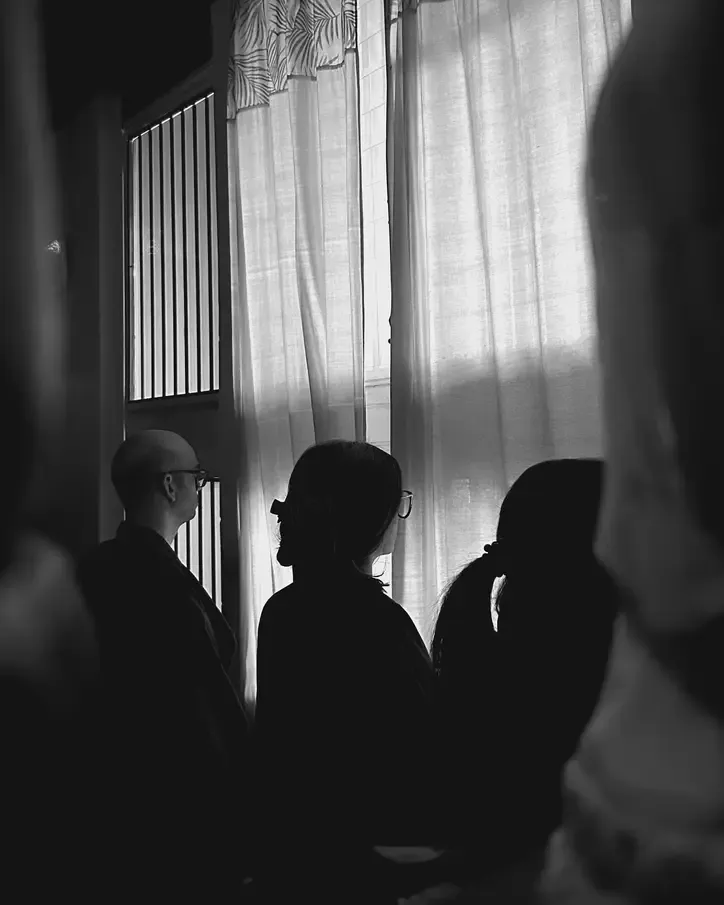
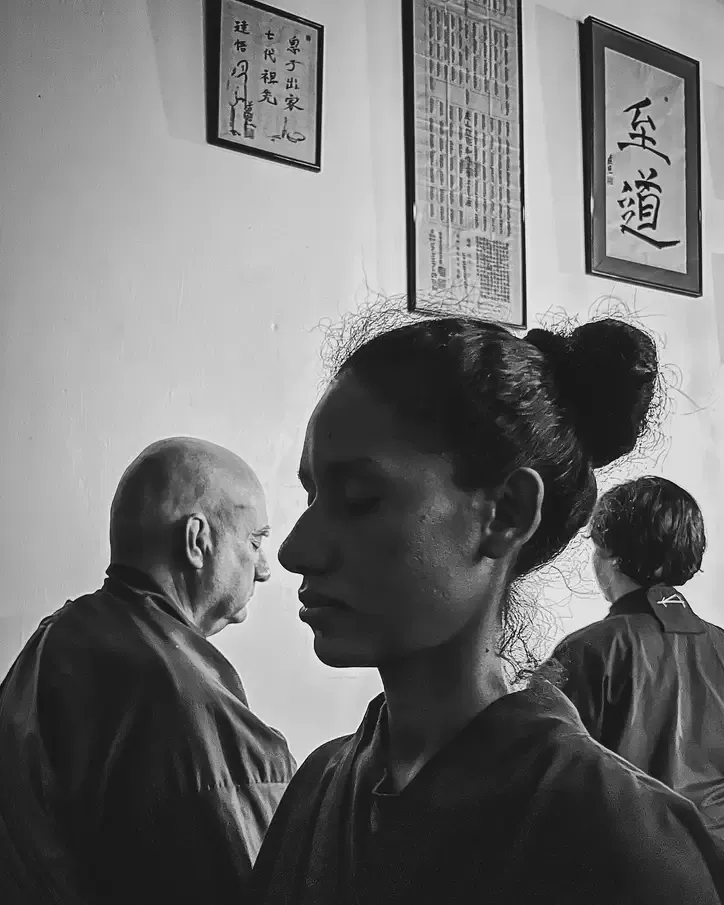
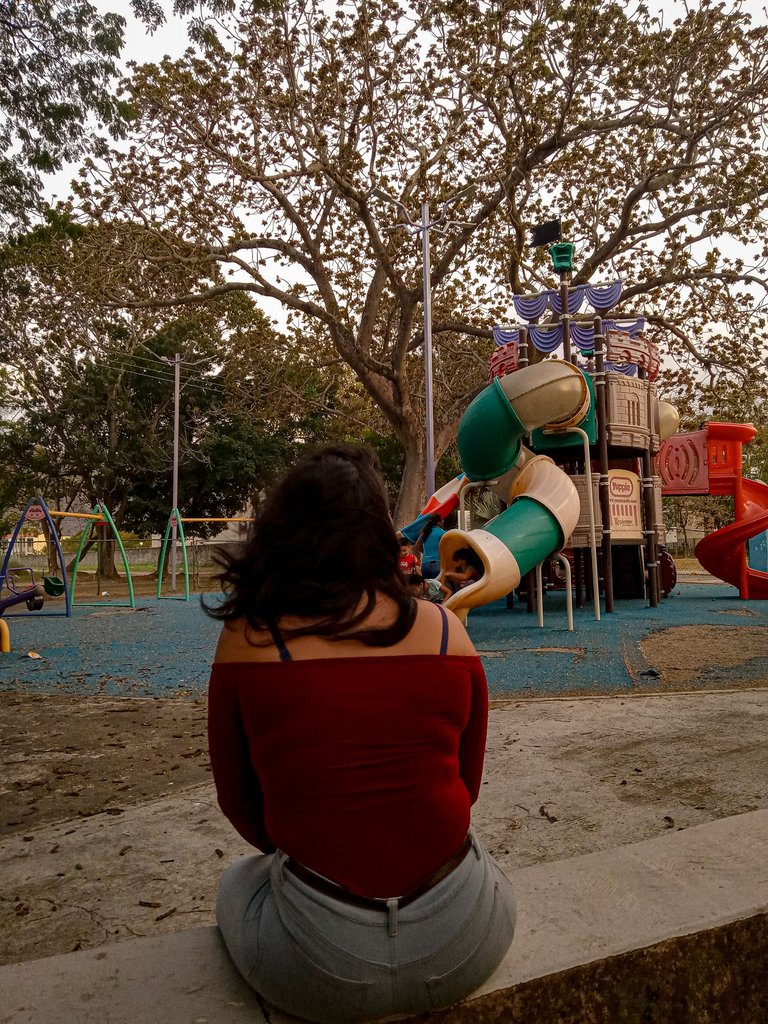
After all, the differences between us are often louder than the similarities, but the similarities are deeper. We all carry private monologues. We all negotiate with reality in our own way. Watching unknown people think, drift, pause, or simply breathe has taught me more about humanity than any loud declaration ever could. It softens my judgments. It slows me down. It makes me feel less alone without needing to connect directly. In those silent moments shared without interaction, I find something close to acceptance. Not resignation, not defeat, just the calm understanding that most of us are doing the best we can with the thoughts we have and the lives we ended up living.

All photographs and content used in this post are my own. Therefore, they have been used under my permission and are my property.